
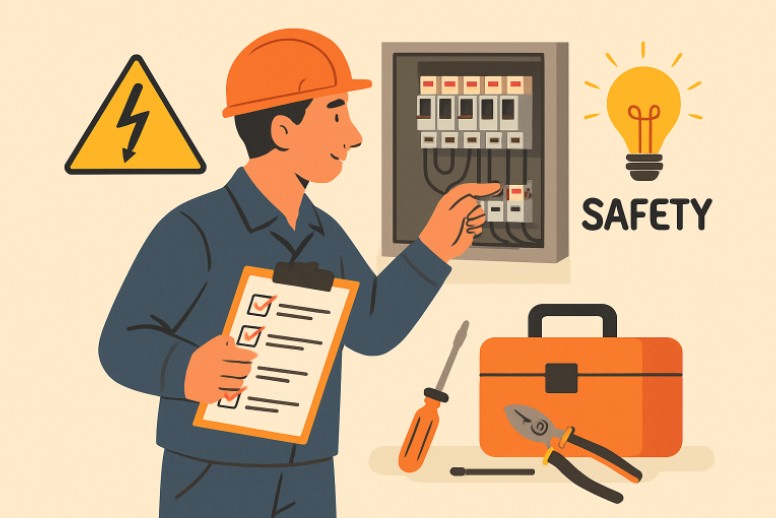
Understanding Preventive Maintenance
Preventive maintenance consists of scheduled evaluations and servicing procedures designed to keep electrical systems operating safely and efficiently. Rather than addressing problems after they occur, this strategy focuses on catching issues before they escalate. By investing in regular preventive maintenance, organizations can significantly reduce the risk of outages, unplanned downtime, and catastrophic equipment failures. Learn more about professional inspection and servicing options at https://divergentalliance.com/electrical-equipment-testing-refurbishing/.
Proactive measures in electrical maintenance are not only about fixing visible hazards; they are also about comprehensive system assessment to detect underlying or developing issues. A strong preventive maintenance plan involves not only routine evaluations, but also thorough documentation and follow-up actions to address discovered concerns. This focus helps to safeguard the workplace, protect valuable assets, and build trust with staff and stakeholders who expect a safe operating environment. By identifying and addressing minor problems, preventive maintenance can reduce overall risk and foster a culture of safety awareness.
Electrical systems are complicated, featuring many interconnected components that are susceptible to wear, environmental stress, and operational fatigue. Over time, small problems such as loose connections, worn insulation, or aging components can pose significant hazards if left unchecked. Preventive maintenance addresses these risks before they escalate and negatively impact business operations. By proactively maintaining equipment and infrastructure, organizations can prevent unexpected interruptions that can jeopardize productivity, safety, and the bottom line. Such proactive care helps cultivate a culture of safety and reliability throughout the organization.
- Enhanced Safety: Routine inspections and servicing identify and correct hazards, such as frayed wires or overheating components, which decreases the potential for fires and electrical shocks. By finding faults early, organizations can protect employees, visitors, and property from preventable incidents.
- Increased Reliability: Equipment that receives regular attention is less likely to experience breakdowns, promoting continuous workflow and minimizing unscheduled downtime. This continuity is crucial for businesses that operate around the clock or rely on sensitive machinery.
- Cost Savings: Preventive maintenance reduces the likelihood of major equipment failures, thereby avoiding costly emergency repairs and extending the usable lifespan of electrical assets. Investments in maintenance are often offset by reduced costly disruptions and replacement expenses.
- Compliance with Standards: Organizations can more easily meet or exceed the requirements of local, state, and federal safety regulations, protecting themselves from legal penalties and strengthening their reputation. Adherence to these standards also demonstrates a commitment to responsible business practices.
According to the Occupational Safety and Health Administration (OSHA), planned maintenance programs are critical in preventing workplace accidents and reducing employer liability. OSHA emphasizes that following a structured maintenance schedule helps minimize hazards for workers and ensures safe operational conditions at all times. Well-maintained electrical systems also simplify the process of passing regulatory inspections and audits.
Key Components of an Effective Preventive Maintenance Program
An effective preventive maintenance regimen incorporates several core elements:
- Regular Inspections: Technicians perform visual and diagnostic checks to spot early warning signs such as corrosion, discoloration, or abnormal heat signatures. These frequent evaluations provide early detection of deteriorating parts or emerging vulnerabilities.
- Testing and Measurements: Using specialized instruments, maintenance teams assess electrical loads, current flow, and voltage stability to ensure optimal performance and maintain safety margins. Accurate measurements help identify hidden issues, including overloaded circuits or an imbalance in power distribution.
- Cleaning and Servicing: Removing dust and debris, tightening electrical connections, and lubricating moving parts help prevent minor problems from escalating into major hazards. Clean electrical components tend to operate more efficiently and withstand greater operational demands.
- Documentation: Accurate, up-to-date records of inspection findings, service actions, and performance trends are essential for informed decision-making and long-term planning. Reliable documentation also provides a valuable reference during audits and helps pinpoint recurring problem areas for further action.
In addition to the above, an effective maintenance program often involves collaboration between departments, clear communication protocols, and ongoing employee training. Such a comprehensive approach ensures that issues are addressed promptly and that information about system health is shared with relevant stakeholders.
Common Challenges in Preventive Maintenance
Even though the advantages of preventive maintenance are clear, organizations regularly encounter certain obstacles:
- Resource Allocation: Dedicating adequate staff and budgetary resources is necessary for the sustainability of any maintenance program. Smaller organizations, in particular, may struggle to free up time and funding for non-urgent work, but overlooking these investments can lead to larger expenses down the road.
- Scheduling: Managing inspection and service intervals without disrupting daily operations requires careful planning and flexibility. Work may need to be scheduled during off-hours or production lulls to avoid interrupting core activities.
- Training: Maintenance personnel need specialized training in both electrical safety and new technologies to keep the program running efficiently, which can require ongoing investment. Newer systems may incorporate advanced diagnostics that require additional technical skills, thereby increasing the complexity of the training process.
Many organizations address these challenges through partnerships with third-party service providers, who can supplement in-house expertise with specialized knowledge and equipment. Technology, such as maintenance management software, can also help streamline scheduling and reporting, thereby minimizing administrative burdens.
Implementing a Preventive Maintenance Plan
Establishing a robust preventive maintenance plan involves these vital steps:
- Assess Current Systems: Conducting a thorough audit of all electrical assets helps determine which components are most critical and require regular attention. This assessment should account for age, condition, operating environment, and the importance of each system to ongoing operations.
- Develop a Schedule: Creating a detailed calendar for inspections and servicing ensures nothing is overlooked and helps spread out maintenance tasks in a manageable way. Adjusting the schedule in response to system performance history ensures resources are used efficiently, and emergent issues are addressed quickly.
- Train Personnel: Staff must be equipped with the necessary expertise to carry out maintenance procedures and adhere to safety protocols effectively. On-the-job training and classroom instruction can both play a role in developing the technical and safety skills team members need.
- Monitor and Adjust: Continuously tracking performance and addressing new challenges ensures that the maintenance plan evolves with changing regulatory requirements and technological advances. Routine reviews and updates keep the plan aligned with business priorities.
Final Thoughts
Preventive maintenance is a strategic approach to electrical safety that delivers measurable benefits: safer workplaces, fewer equipment failures, and lower lifetime costs. By committing to scheduled inspections and prompt servicing, organizations invest in the durability of their systems and the safety of everyone who relies on them. Fostering a proactive maintenance culture also ensures ongoing compliance and long-term peace of mind for businesses of every size. By prioritizing preventive maintenance, companies demonstrate care for their employees, customers, and assets, an investment that pays off in operational continuity and reputation.