Keeping your home safe from electrical hazards requires proactive attention and an informed approach. Electrical issues often cause fires and injuries, making safety a top priority for every homeowner. Explore the website to learn about professional solutions and further advice for ensuring your home’s electrical system is secure.
Many common risks can be avoided through regular inspections, careful appliance use, and ongoing education for everyone in the household. By prioritizing electrical safety, you create a living environment that’s not just more secure but also more comfortable for your family.
Understanding the most frequent problems and actively preventing them is crucial to minimizing risks. Simple measures can greatly reduce the likelihood of electrical accidents, protecting both your property and your loved ones.
Proactively identifying and resolving issues, such as checking wiring or upgrading safety devices, supports a culture of safety at home. These practical strategies ensure that safety remains a daily habit rather than a periodic concern.
The U.S. Consumer Product Safety Commission offers a comprehensive checklist for home electrical safety, along with additional tips and guidance.
Understanding Common Electrical Hazards
Many electrical hazards in the home stem from preventable issues. Overloaded power strips, aging or faulty wiring, and the misuse of electrical appliances are leading causes of household electrical fires. Other risks include misuse of extension cords or leaving electronic devices unattended while charging. Recognizing these hazards and addressing them promptly lays the groundwork for a safer home.
Regular Electrical Inspections
A routine inspection helps discover signs of electrical trouble early. Homeowners should look for outlets or switches that feel unusually warm, lights that flicker without explanation, or a frequent need to reset circuit breakers. Frayed wires, buzzing sounds, or a burning smell all signal potential dangers. If you encounter any of these warning signs, consult a licensed electrician to perform a thorough assessment and undertake necessary repairs. For more on how to handle these situations, consult the National Fire Protection Association’s guidance.
Safe Use of Electrical Appliances
Adhering to manufacturer instructions is key to the safe use of any household appliance. Never use appliances with damaged cords or plugs, and always ensure electrical items are dry before plugging them into a wall outlet. Keep electrical devices away from water sources in kitchens, bathrooms, and laundry areas, as water conducts electricity and increases the risk of severe shock or burn injuries. Never modify appliances or attempt repairs unless you are qualified to do so.
Proper Outlet Usage
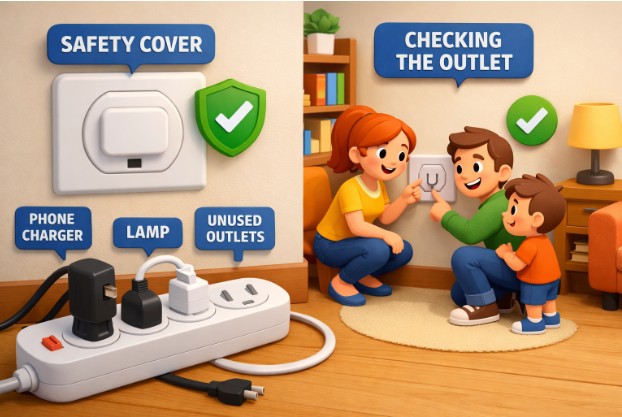
Overloaded outlets can generate excessive heat, which can lead to electrical fires. Plug only one high-wattage appliance into each outlet, and avoid daisy-chaining power strips. Using power strips equipped with built-in circuit breakers is a safer alternative, as they automatically interrupt power if an overload occurs. Regularly inspect all outlets for damage or discoloration, replacing any that show signs of wear.
Childproofing Electrical Outlets
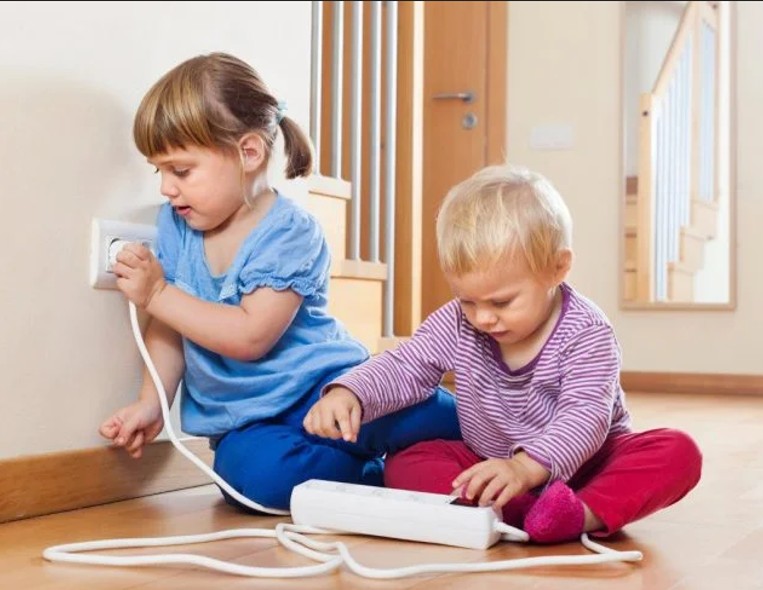
Households with young children should take extra precautions to prevent accidental shocks. Installing tamper-resistant outlets provides a physical barrier against curious fingers and objects. Alternatively, safety covers can be used to block unused outlets. It is also important to teach children from a young age about the dangers of electricity and the importance of leaving outlets and electrical devices alone.
Installing Ground Fault Circuit Interrupters (GFCIs)
GFCIs play a critical role in safeguarding against electric shock, especially in areas exposed to moisture such as kitchens, bathrooms, and outdoor outlets. These devices detect imbalances in electrical current and immediately cut off power, offering vital protection in situations where water may inadvertently come into contact with electricity. It is advisable to test GFCI outlets monthly to ensure they function correctly.
Emergency Preparedness
Preparation is essential in any household. Every family member should know where the main power shutoff is and how to turn it off in an emergency. Keep a fire extinguisher in accessible locations, especially near the kitchen and other high-risk areas. It is also beneficial to have a fire safety plan and practice emergency exit routes regularly. Having basic knowledge of how to respond to an electrical fire (never using water to douse flames) can be life-saving.
Educating Household Members
Consistent education is vital in preventing risky behaviors around electricity. Arrange regular discussions about electrical safety, especially if you have children or elderly family members at home. Place reminder notes near outlets or appliances that pose particular risks and promote safety best practices in your household routines.
By following these simple yet essential steps, homeowners can create a safer and more dependable living environment. Routine checks, timely repairs, and proper usage of electrical systems reduce the risk of hazards such as overloads or faulty wiring. These practices also improve overall efficiency, helping appliances and fixtures perform consistently. With a reliable electrical setup in place, households experience fewer disruptions, greater confidence in daily operations, and lasting peace of mind knowing every family member is protected.