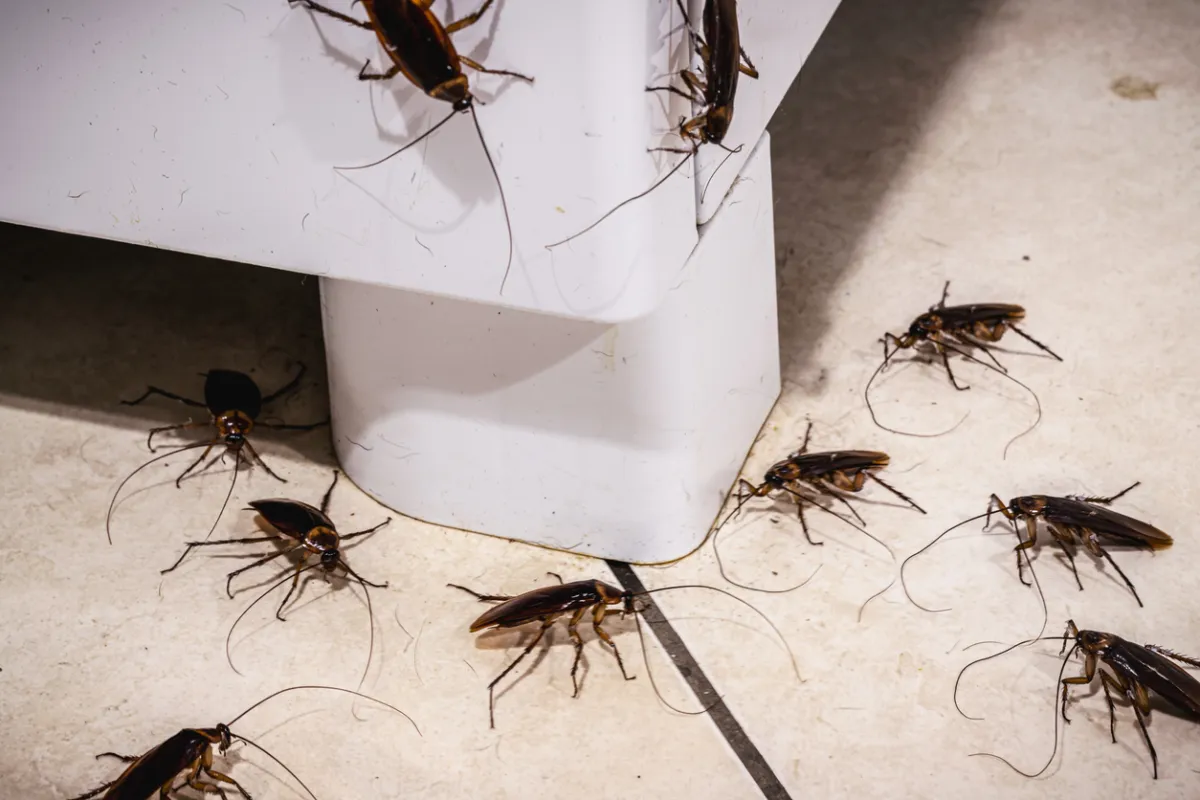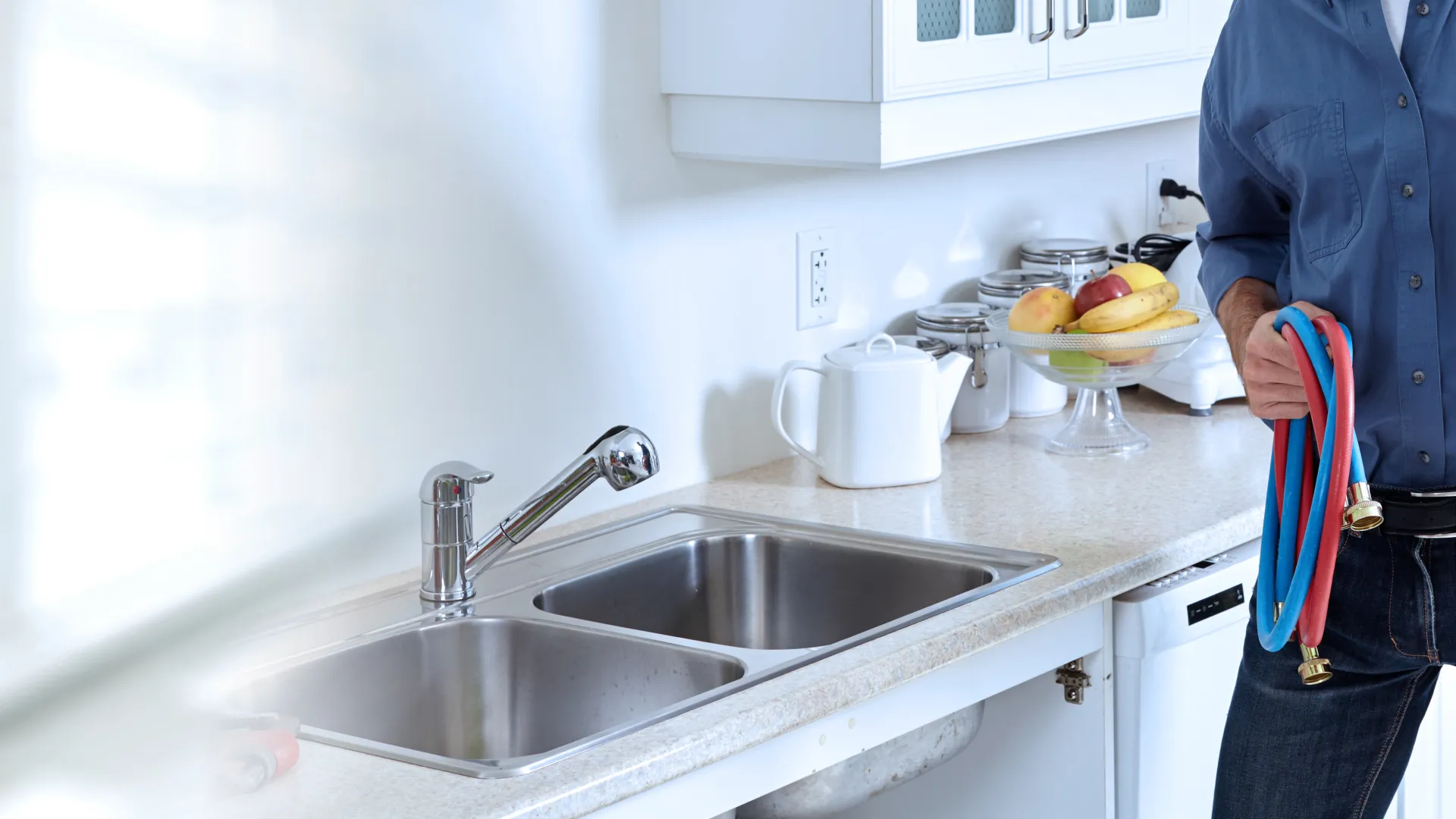
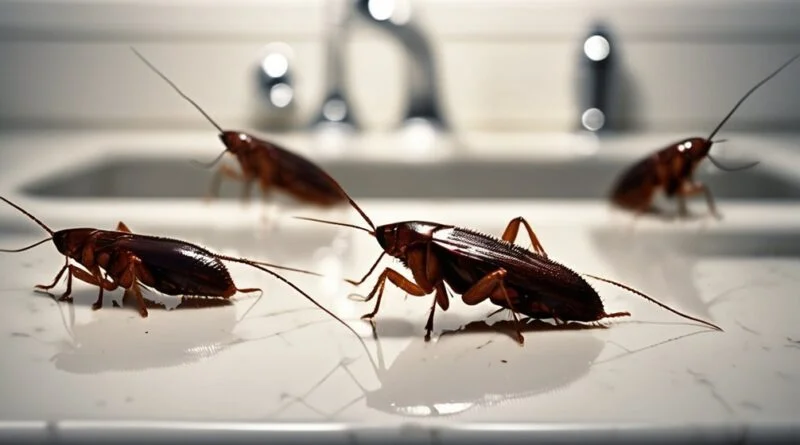
Plumbing systems are essential for modern living, providing water supply and waste removal in homes and commercial buildings. However, these intricate networks of pipes, drains, and vents can also serve as concealed highways for pests, particularly cockroaches. The dark, moist, and often undisturbed environments within plumbing infrastructure offer ideal conditions for cockroach survival and movement. As these pests seek food, water, and shelter, they exploit the hidden routes created by plumbing systems, making it challenging for property owners to detect and eliminate infestations. Understanding how plumbing systems facilitate cockroach movement is crucial for effective prevention and management.
How plumbing aids cockroach travel
The structure of plumbing systems in buildings
Plumbing systems in residential and commercial buildings are designed to transport water in and waste out efficiently. These systems consist of a network of interconnected pipes, drains, vents, and traps that run behind walls, under floors, and above ceilings. The complexity and reach of these systems mean that they often connect multiple rooms, floors, and even separate units within a building. Cockroaches are adept at navigating these hidden spaces, using the pipes as protected corridors to move from one area to another without being seen. The joints and gaps around pipes, especially where they penetrate walls or floors, provide easy entry and exit points for cockroaches. Additionally, the warmth generated by hot water pipes and the constant availability of moisture create an environment where cockroaches can thrive. As a result, plumbing systems inadvertently become the perfect infrastructure for cockroach movement, allowing infestations to spread quickly and quietly throughout a building.
Why cockroaches are drawn to plumbing
Cockroaches are highly adaptable insects that seek out environments offering warmth, moisture, and access to food. Plumbing systems naturally provide these conditions, making them attractive to cockroaches looking for shelter and resources. The interiors of pipes and drains are typically dark and humid, which helps cockroaches avoid dehydration and predators. Even small leaks or condensation on pipes can supply enough water for cockroaches to survive for extended periods. Food particles and organic debris that accumulate in drains and under sinks further entice these pests. In cities like Indianapolis, where urban density and older infrastructure are common, plumbing systems can connect multiple dwellings, increasing the risk of widespread infestations. For those seeking cockroach control Indianapolis, understanding the role of plumbing in pest movement is a critical first step toward effective management and prevention.
How cockroaches exploit hidden plumbing routes
Cockroaches are nocturnal and secretive, preferring to move through areas where they are less likely to encounter humans or predators. Plumbing systems offer a network of concealed passageways that allow cockroaches to travel between rooms, apartments, or even neighboring buildings without detection. They can squeeze through tiny cracks and gaps around pipes, drains, and utility chases, making it difficult to block their movement entirely. Once inside the plumbing network, cockroaches can access kitchens, bathrooms, laundry rooms, and basements—areas where food and water are readily available. The interconnected nature of plumbing means that an infestation in one unit can quickly spread to others, especially in multi-family dwellings or commercial properties. This hidden movement complicates efforts to control cockroach populations, as treating only visible areas may not address the root of the problem. Effective management requires a comprehensive approach that considers the entire plumbing infrastructure and its potential as a pest highway.
Maintaining the structural integrity of your home requires a vigilant approach to every entry point, especially where utility lines meet the walls. Small gaps around water pipes or HVAC conduits act as inviting highways for cockroaches searching for moisture and warmth. Professional maintenance through Patriot Heating, A/C & Plumbing helps ensure that these vulnerable areas are properly sealed with durable materials like silicone caulk or steel wool. By addressing these often-overlooked spaces, you effectively disrupt the pests’ ability to move freely between the outdoors and your living spaces. Consistent inspections combined with strategic sealing efforts form a robust defense against infestations, keeping your plumbing system from becoming a secret gateway for unwanted insects.
Plumbing maintenance and cockroach prevention
Regular plumbing maintenance plays a significant role in reducing the risk of cockroach infestations. Addressing leaks, sealing gaps around pipes, and ensuring proper drainage can limit the resources and entry points available to cockroaches. Homeowners and property managers should inspect under sinks, behind appliances, and around utility penetrations for signs of moisture or pest activity. Promptly repairing any water damage or plumbing issues not only preserves the integrity of the building but also removes the conditions that attract cockroaches. In addition, using drain covers and traps can help prevent cockroaches from entering living spaces through sinks and floor drains. By maintaining plumbing systems and addressing vulnerabilities, property owners can disrupt the hidden pathways that cockroaches use to move throughout a building, making it more difficult for infestations to take hold and spread.
Managing the internal environment of a residential drainage network requires more than just superficial cleaning; it involves a strategic approach to moisture control. Since cockroaches are primarily attracted to the damp, dark recesses found within wall cavities, ensuring that every pipe penetration is properly sealed can significantly disrupt their movement. By consulting expert resources and seeking more from Sarkinen Plumbing regarding structural maintenance, homeowners can identify high-risk zones like p-traps and floor drains that have gone dry. Regularly flushing these systems maintains the water barrier, effectively severing the “subway system” these pests utilize. Addressing these structural vulnerabilities early is the most reliable way to prevent a minor sighting from escalating into a persistent household infestation.
The role of moisture in cockroach survival
Moisture is a key factor in cockroach survival, and plumbing systems are a primary source of water in most buildings. Even small amounts of standing water or condensation can sustain a cockroach population. Bathrooms, kitchens, and laundry areas are particularly vulnerable due to the frequent use of water and the potential for leaks or spills. Cockroaches are capable of detecting moisture from a distance and will travel through plumbing networks to reach these sources. Eliminating excess moisture by fixing leaks, using exhaust fans, and wiping up spills can significantly reduce the attractiveness of a property to cockroaches. Monitoring humidity levels and ensuring proper ventilation in areas with plumbing can further deter these pests. By controlling moisture, property owners can make their buildings less hospitable to cockroaches and reduce the likelihood of infestations originating from plumbing systems.
Quick facts about cockroach movement in pipes
Cockroaches can flatten their bodies to fit through gaps as small as a few millimeters, making it easy for them to navigate the narrow spaces around plumbing pipes. They are also capable of climbing vertical surfaces and moving against the flow of water in drains. This adaptability allows them to exploit even well-maintained plumbing systems if other conditions are favorable. Understanding these behaviors highlights the importance of comprehensive prevention strategies that address both structural and environmental factors.
Hidden vulnerabilities within a building’s infrastructure, particularly within the complex network of water lines and drains, serve as primary transit routes for opportunistic pests. Moisture from condensation or minor seepage creates a hospitable microclimate that encourages the rapid movement of insects through wall cavities. When homeowners notice increased activity near fixtures, they may choose to open this link to investigate the specific maintenance protocols required for modern residential piping systems. Ensuring that every penetration point is properly sealed with durable materials is essential for disrupting these internal corridors. By proactively managing these structural weaknesses, one can effectively reduce the risk of long-term infestation and maintain a more hygienic living environment.
Conclusion
Plumbing systems, while essential for modern living, can inadvertently create hidden pathways that facilitate cockroach movement throughout homes and commercial buildings. The combination of darkness, moisture, and shelter provided by pipes and drains makes these systems ideal for cockroach survival and travel. Infestations can spread rapidly and quietly through the interconnected plumbing networks, making detection and control more challenging. Regular maintenance, prompt repair of leaks, and attention to moisture control are crucial steps in disrupting these hidden routes and reducing the risk of cockroach problems. By understanding the relationship between plumbing infrastructure and pest movement, property owners can take proactive measures to protect their spaces from unwanted infestations and maintain a healthier indoor environment.