
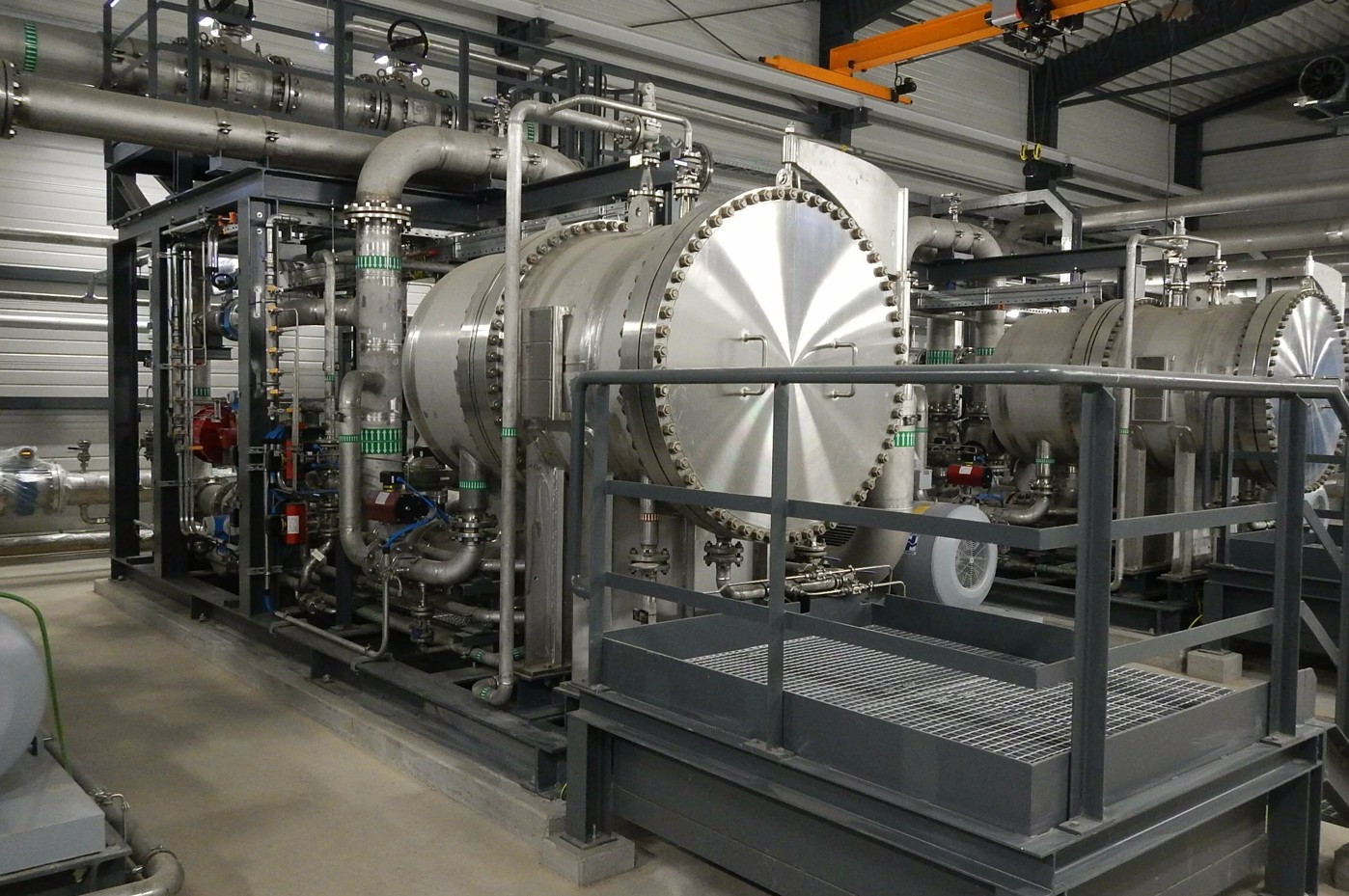
A Facility Manager’s Guide to High-Performance Oil Water Separator Technology
As a facility manager, you operate at the intersection of operational efficiency and regulatory compliance. You face the constant pressure of meeting stringent environmental standards for wastewater discharge while simultaneously managing tight budgets. When it comes to treating oily wastewater, the stakes are incredibly high, and choosing the right equipment is a decision with long-term financial and legal consequences.
But the market is filled with competing claims, and not all oil water separators are created equal. The term “high-performance” is more than just a marketing buzzword; it represents a verifiable standard of efficiency that can be the difference between seamless compliance and costly violations. This guide provides a comprehensive deep dive into high-performance oil water separator technology. We will explain the core scientific principles, define the performance benchmarks that matter, explore the key separator types, and detail the factors that impact their efficiency, empowering you to select the right system for your facility’s unique needs.
Why Wastewater Compliance is a High-Stakes Issue
The technical details of an oil water separator are only part of the story. The real-world context is a complex regulatory landscape where non-compliance carries significant financial and operational risks. Federal, state, and local environmental agencies have established clear standards for the amount of oil and grease that can be present in wastewater discharged into sanitary sewers or storm drains.
These regulations are not arbitrary. For example, most Publicly Owned Treatment Works (POTWs) have adopted 100 mg/L (or 100 PPM) as their local limit for petroleum-based oil and grease. This standard is designed to protect municipal water treatment infrastructure and the surrounding environment from contamination.
Oil Water Separator Fundamentals: How the Technology Works
To appreciate what makes a separator “high-performance,” it’s important to first understand the fundamental science behind how they function. At their core, all oil water separators leverage natural physical principles to separate substances with different properties.
The Core Principles of Separation
The primary mechanism at work is gravity separation, a concept explained by Stokes’ Law. This scientific principle states that an oil droplet in water will rise at a velocity determined by its size, its density relative to water, and the water’s viscosity. In simple terms, because oil is less dense than water, it will naturally float to the surface over time. An OWS is designed to provide a controlled environment with sufficient retention time for this separation to occur.
Modern separators are engineered to maximize both retention time for gravity separation and surface area to encourage coalescence. It’s important to recognize that external factors like water temperature, the initial size of oil droplets, and the presence of suspended solids can all significantly impact how effectively these principles work in a real-world application.
Defining “High-Performance”: What Sets Advanced OWS Technology Apart
While a basic separator might rely on a simple tank and baffles, a high-performance system is an engineered solution designed and verified to meet a much higher standard of efficiency. This distinction isn’t just about marketing; it’s about measurable, verifiable results that ensure compliance with today’s strictest regulations.
A high-performance oil water separator builds on that standard by incorporating more precise flow management, enhanced coalescing media, and tighter separation tolerances. These design improvements help maintain consistent removal efficiency even when flow rates fluctuate or contaminant loads spike. The result is a system that supports long-term compliance, reduces maintenance demands, and delivers dependable performance in environments where reliability matters.
Moving Beyond Basic Separation to Verifiable Efficiency
The term “high-performance” is quantified by industry-recognized benchmarks. For instance, the IAPMO IGC 325 standard officially defines a high-efficiency oil/water separator as one that collects hydrocarbons with a minimum 90 percent capture rate. This provides a clear, testable baseline that separates advanced systems from their conventional counterparts.
While standard separators may struggle to meet the common 100 PPM limit under varying conditions, high-performance units are engineered to consistently achieve a superior effluent quality, often down to 10 PPM or less of free oil. This level of performance aligns with the stringent targets set by environmentally conscious jurisdictions. A prime example is the standard from the Washington State Department of Ecology, which specifies a discharge of 10-15 mg/L and no visible sheen, a target that high-performance systems are designed to meet.
Matching the Technology to Your Application: Key OWS Types
Choosing the correct separator design is just as important as choosing one with high efficiency. The physical layout, operational demands, and environmental conditions of your facility will dictate which type of unit is the most effective and practical solution.
Above Grade Separators
Above Grade separators are units installed on a concrete pad or similar flat surface. They are typically used in applications where wastewater needs to be pumped to the separator rather than relying on gravity. The primary advantage of this design is its accessibility. All components, including the coalescing media and solids chamber, are easily reachable for inspection, maintenance, and cleaning, which can simplify long-term service. This makes them an ideal choice for indoor applications like manufacturing facilities and vehicle wash bays, where routine access is a priority and gravity flow isn’t feasible.
Below Grade Separators
Below Grade separators are heavy-duty units engineered for direct burial, making them the go-to solution for high-traffic or drive-over areas. Their main benefit is the ability to save valuable surface space while withstanding heavy vehicle loads. Constructed with robust materials and structural integrity, they are perfectly suited for vehicle maintenance shops, fueling stations, parking garages, and airports. For any facility where surface real estate is at a premium and durability is non-negotiable, a below-grade model is the most logical choice.
Flush-with-Grade Separators
Flush-with-Grade separators offer a specialized solution for gravity-flow applications where deep excavation is either impossible or undesirable. These units are installed so their top is level with the surrounding surface, providing a discreet profile. They are often constructed from durable, corrosion-resistant materials like fiberglass and are an excellent option for sites with high water tables or other geological constraints. Ideal use cases include equipment rental yards, fleet maintenance depots, and other sites that require effective separation without the need for major excavation.
Achieving these low discharge levels requires technology designed for specific operational conditions. The choice between different separator designs—such as those installed above ground for easy access, below grade for heavy traffic areas, or flush-with-grade for specific site layouts—is critical for maximizing efficiency. For facilities needing to meet these exacting standards, exploring a comprehensive range of high-performance oil water separators is the logical next step.
Conclusion
Selecting the right high-performance oil water separator is a critical business decision that directly impacts your facility’s environmental compliance, operational risk, and financial stability. It requires moving beyond simple specifications and understanding the principles that drive true efficiency.
As we’ve explored, genuine performance is defined by measurable standards, such as verified PPM discharge levels and certified capture rates. The ideal separator type—whether Above Grade, Below Grade, or Flush-with-Grade—is dictated entirely by your site’s specific application and operational constraints. By focusing on technology built for superior performance and committing to proper maintenance, you transform a regulatory necessity into a strategic asset. You protect your operations, your budget, and the environment, ensuring long-term success and peace of mind.