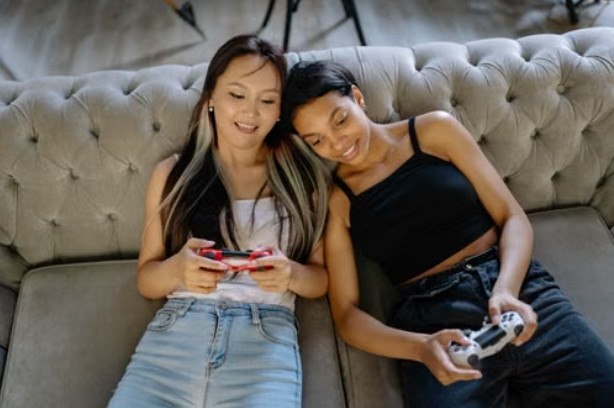
Have you ever played a game with someone far away and felt like they were right there with you?
That simple feeling says a lot about how play has changed. Online gaming has taken something people have always loved—having fun together—and brought it into digital spaces where distance feels much smaller.
Play used to happen mostly in living rooms, playgrounds, arcades, and around tables. Those moments still matter, of course. But now, people can also meet through screens, join shared activities, create characters, complete goals, and laugh with friends from different places.
Online gaming shows how play has grown with the way people live, talk, and connect today.
Play Has Always Been About Connection
People have always used play to bond. Children make up games. Families play cards. Friends compete in sports. Groups gather around puzzles, board games, or friendly challenges.
Online gaming carries that same human habit into digital spaces. The tools are newer, but the feeling is familiar. People still want fun, teamwork, laughter, and shared memories.
Digital Play Builds on Old Habits
Online games may look modern, but many parts feel very familiar.
A team match can feel like a sport. A puzzle task can feel like a group brain teaser. A creative building space can feel like making something with friends. A role-based bandot88.net game can feel like pretend play with more structure.
The format has changed, but the reason people enjoy it is simple: play feels better when it can be shared.
Friends Can Meet Through Shared Activity
One of the strongest parts of online gaming is that it gives people something to do together.
Instead of only chatting, players can:
- Complete a task
- Plan a move
- Build a space
- Try a challenge
- Share a funny moment
- Celebrate progress
That shared activity makes the connection feel natural. Conversation grows from what is happening in the game.
Online Gaming Made Distance Feel Smaller
Connected play lets people spend time together even when they are not in the same room. A friend in another city, a cousin in another country, or a classmate with a busy schedule can still join the same session.
This has made gaming a common way for people to stay close. The screen becomes a meeting place, and the game becomes the reason everyone gathers.
Real-Time Play Creates Togetherness
Real-time play feels special because everyone is sharing the same moment. Players react together, plan together, and enjoy the result together.
A quick cheer, a kind message, or a shared laugh can make the session feel warm and personal.
These moments show how online gaming turns digital time into social time.
Regular Sessions Become Routines
Many players make gaming part of their weekly rhythm. They may meet after school, after work, or on weekends.
A regular play session can feel like a casual get-together. People log in, say hello, play a few rounds, and catch up along the way.
Over time, these routines build friendship and comfort.
Communication Changed the Way People Play
Online bandot88 gaming has its own way of helping people talk. Players use voice, text, quick messages, icons, map markers, and character actions to share meaning.
These tools help people communicate quickly and clearly. A short message can guide a team, show thanks, or celebrate a smart move.
Short Language Keeps Play Moving
Gaming language often uses simple terms because players want to stay focused while still staying connected.
| Term | Simple Meaning |
| GG | Good game |
| Co-op | Playing together |
| XP | Progress points |
| Quest | A task or goal |
| Avatar | A player’s digital character |
Once these words feel familiar, online gaming becomes easier to understand.
Gestures Add Warmth
Players do not always need words. A wave, a clap, a dance, or a thumbs-up can say a lot.
These small gestures add personality. They help players show friendliness, humor, and support in a quick way.
Play Became More Personal
Online gaming gives players many ways to express themselves. A player can choose a character, name, outfit, color theme, role, or creative space.
These choices make the play feel personal. People enjoy bringing a bit of themselves into the experience.
Identity Shows Through Choices
A player’s style can be bright, calm, funny, classic, or creative. Friends may recognize someone by their usual look or the way they play.
Identity can show through:
- Character style
- Player name
- Favorite role
- Creative builds
- Team habits
These choices help players feel seen and remembered.
Play Style Becomes Part of Personality
Some players love planning. Some enjoy helping others. Some like solving puzzles. Some prefer building or exploring.
These habits become part of how others know them. A player may become “the helpful one,” “the creative one,” or “the calm planner” in a group.
Learning Became Part of the Fun
Online gaming often teaches through action. Players try, learn, adjust, and improve while playing. This makes learning feel natural. Instead of studying long instructions, players pick up skills through practice and shared tips.
Small Progress Feels Rewarding
Games often show growth clearly. A player may complete goals, unlock items, improve timing, or learn a new role. These small wins feel satisfying because effort becomes visible.
Players Learn From Each Other
Online play also makes learning social. A friend can explain a step, share a tip, or show a useful path. That kind of help builds trust. It turns learning into a shared moment instead of a solo task.
Final Thoughts
Online gaming shows how play has changed in a connected age. It blends classic human habits with modern digital tools.
People still play for fun, friendship, creativity, learning, and shared joy. The difference is that now, they can do it across distance, through screens, and in spaces that feel active, personal, and full of connection.