
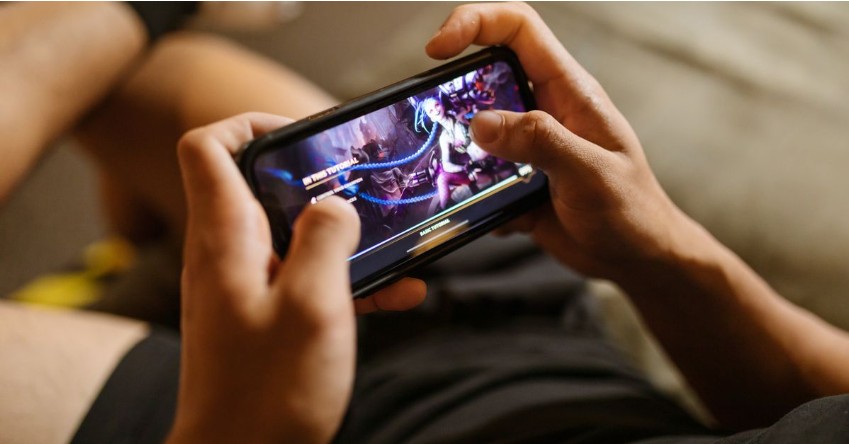
Have you ever logged into an online game and felt like you were also checking in on a whole group of people? That feeling is not accidental. Many online games now mix play with chat, identity, routine, and shared space in a way that feels a lot like a social network.
People do not just enter these games to complete matches or finish tasks. They show up to talk, team up, compare progress, and spend time in familiar digital places. Play is still the center, but social connection keeps people coming back.
That mix helps explain why online gaming feels different from older single-player experiences. Instead of being a private activity, it often feels like a public hangout where action, conversation, and community happen at the same time.
Why The Social Feeling Starts So Fast
It begins with visibility and interaction.
Shared Spaces Create Instant Context
When players enter a match, lobby, server, or virtual hub, they step into a place already filled with other people. That changes the mood right away. You are not just starting a game session. You are entering a live environment where people are moving, reacting, and shaping what happens next.
Profiles And Status Make People Recognizable
Social networks work because users build recognizable identities, and online games do the same. Usernames, avatars, ranks, cosmetic choices, and play history all act like social signals. They help players remember each other and build quick impressions. In some communities, people even follow updates around certain modes or trends, much like they would track topics linked to gol88 slot in conversation across online spaces.
Conversation Happens Alongside Action
Text chat, voice chat, reactions, and quick messages make communication constant. In many cases, people talk before the game, during the game, and after the game. That steady communication makes the experience feel less like isolated play and more like a group activity with its own rhythm and social rules.
Play Gives Social Connection A Clear Purpose
The activity itself gives people a reason to interact.
Games Remove The Awkwardness Of Small Talk
One reason online gaming feels social so quickly is that the interaction has a shared focus. Players do not need to invent a topic from scratch. The match, mission, puzzle, or objective gives everyone something to react to. That lowers social pressure and makes conversation feel natural.
Cooperation Builds Trust Fast
When people work together under time pressure, they learn a lot about each other. Who stays calm, who communicates clearly, who helps others, and who takes initiative all become visible through play. Repeated sessions can turn casual teammates into familiar contacts and, in many cases, real friends.
Competition Also Creates Bonds
Even competitive play can strengthen social ties. Rivalries, rematches, shared jokes, and post-game discussion all create recurring interaction. People often remember close wins and losses because those moments carry emotion, and emotion tends to make social memory stronger.
Online Games Keep People Connected Between Matches
The social layer does not stop when the round ends.
Persistent Communities Make Games Feel Ongoing
Many games now include friend lists, guilds, clans, event calendars, group chats, and community hubs. These features make the experience persistent. People are not just meeting for one session. They are staying connected over time, which is one of the main reasons gaming can feel similar to a social platform.
Routine Turns Play Into A Social Habit
Once players start checking who is online, joining regular sessions, or talking in community spaces, gaming becomes part of daily or weekly routine. That habit is social as much as it is recreational. People return not only for gameplay but also because they expect to see familiar names and familiar conversations.
Culture Forms Around Shared Interests
Every active game community develops its own humor, slang, etiquette, and trends. That culture gives players a sense of belonging. The same pattern appears across many internet communities, from forums to chat groups to topic-based spaces where people discuss subjects as varied as togel 123 and strategy, each with their own language and norms.
Identity Matters Almost As Much As Skill
People are not only playing. They are also presenting themselves.
Self-Expression Shapes Social Interaction
Character appearance, play style, role choice, and personal habits all signal identity. Some players like leading, some prefer support roles, and some become known for humor or reliability. These patterns make relationships richer because people are seen as more than their score.
Reputation Travels Across Sessions
In social networks, reputation matters because people carry impressions from one interaction to the next. Online gaming works the same way. A helpful teammate may get invited back. A skilled rival may become memorable. Over time, these repeated impressions create a social structure inside the game community.
Why This Matters Beyond Entertainment
The social design of games says something bigger about digital life.
Games Blend Communication And Activity
Unlike older social platforms, games give people something active to do together while they talk. That blend can make interaction feel more comfortable, especially for people who connect better through shared tasks than through direct conversation alone.
Play Can Be A Social Centerpiece
Online gaming shows that social connection does not always need to sit around photos, status updates, or comment threads. It can grow around teamwork, timing, shared goals, and memorable moments. That is why many players see online games not just as entertainment, but as digital places where friendships and communities take shape through play.