In the rapidly evolving digital landscape, contractor businesses must keep pace by integrating the latest web design trends. From personalization powered by artificial intelligence to experimenting with bold visuals, these trends are transforming contractor websites and offering new opportunities to connect with clients and grow your business. As competition increases, staying informed about contractor web design is essential for standing out in your industry and leaving a memorable impression on potential customers.
For contractors, a website serves as the first point of interaction with many clients. Implementing cutting-edge features is not only about visual appeal but also about delivering superior UX and performance. This is the roadmap to increased engagement, higher conversion rates, and long-term client retention.
AI-Driven Design Tools
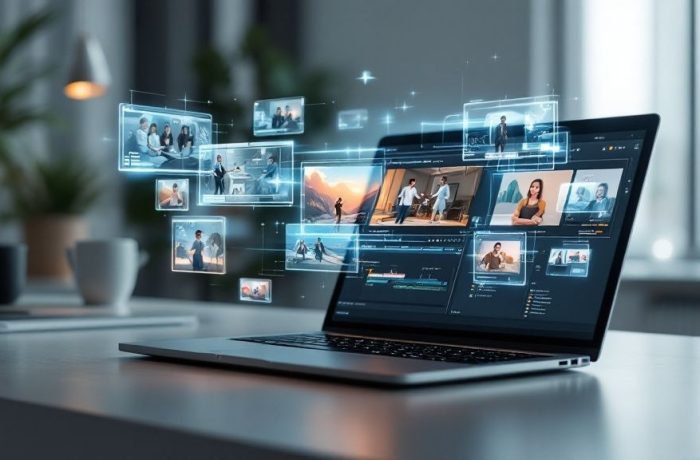
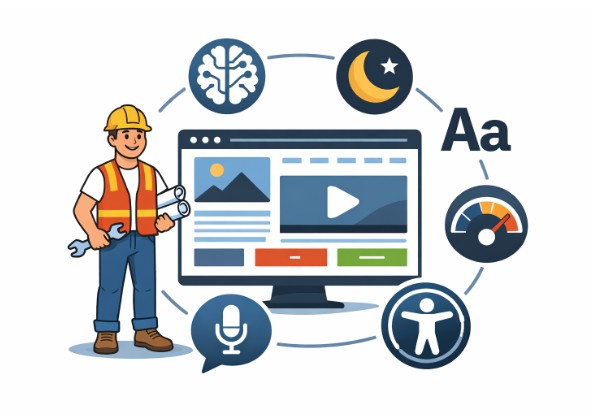
Artificial intelligence has emerged as a game-changer in web design, automating complex development tasks and analyzing user data to deliver personalized experiences. Modern AI tools assist contractors in building smarter websites that resonate with clients’ needs, whether it is suggesting layout improvements based on user behavior or creating content that aligns with specific audience interests. As a result, AI-driven websites adapt faster to changes and offer a more seamless browsing experience.
Integrating AI into your site’s backend can also optimize how resources are managed and content is displayed, resulting in smarter, faster pages. This not only enhances how users interact with your services but can also guide future marketing and design choices for greater long-term success.
Dark Mode
Dark mode is more than a fleeting trend. Its rise is attributed to user-centric benefits such as reduced eye strain, improved battery life on mobile devices, and an unmistakably sleek, modern look. By providing an option for visitors to switch between light and dark themes, contractor websites display flexibility that appeals to a broad spectrum of users. The contrast of vibrant images, white text, and eye-catching call-to-action buttons over a dark background can create a dramatic, memorable visual experience.
A well-implemented dark mode not only reinforces your brand’s tech-savvy image but can also increase the amount of time visitors spend on your site. This trend fits especially well with galleries, project portfolios, and testimonials important elements for showcasing a contractor’s craftsmanship and trustworthiness.
Experimental Typography
As websites aim to capture attention in a saturated market, designers in 2026 are experimenting boldly with type. Non-traditional fonts that double as artistic features provide uniqueness and surprise, leading to stronger brand recall. Whether it is oversized headers, animated typography, or mixing serif and sans-serif fonts creatively, experimental typography ensures your site stands out and effectively guides visitors’ focus to the services or value proposition you want to highlight.
Thoughtful use of typography also supports better navigation and hierarchy, helping visitors quickly find the information they need. This can be a critical advantage for contractor companies that want to distinguish their brand and convert more leads. For further inspiration, consider exploring experimental web design techniques on platforms such as Creative Bloq.
Performance Optimization
No matter how visually compelling a website is, poor loading speed and clunky navigation can sabotage user engagement. In 2026, performance optimization is fundamental for retaining users and performing well in search engine rankings. Best practices include compressing and modernizing images, minifying CSS and JavaScript, and deploying content delivery networks (CDNs) to reduce latency. These steps are especially relevant for contractor websites, as prospective clients tend to abandon a site if it is slow or unresponsive.
Additionally, Google’s Core Web Vitals metrics stress the importance of performance for visibility and discoverability. Prioritizing speed and stability helps contractor businesses convert visitors into customers while establishing a reputation for professionalism and reliability. To learn more about web speed essentials, visit Google Lighthouse.
Maximalist Design
In contrast to the clean lines of minimalism, maximalist design is capturing attention with layers of textured backgrounds, rich colors, and intricate graphics. For contractors looking to showcase their portfolio, maximalist elements can evoke a sense of craftsmanship and personality, helping users connect emotionally with the brand. Large galleries, oversized icons, and immersive page layouts become assets for demonstrating expertise and creativity.
The challenge is balancing boldness with usability. Maximalist websites work best when they direct attention rather than overwhelm, guiding visitors to calls to action or highlighted projects in ways that feel intentional. The right combination of visual complexity and structured layout can make your work unforgettable.
Voice User Interfaces
Voice technology has matured beyond smart speakers, with web developers now integrating voice user interfaces (VUIs) directly into online experiences. For contractor sites, VUIs mean users can ask questions, navigate services, or schedule appointments hands-free, improving accessibility and convenience. This is a major step in making digital services more inclusive and efficient, especially for users who are multitasking or less comfortable with traditional navigation.
Incorporating voice search also positions a contractor company as future-oriented and approachable, two qualities valued by modern clients navigating a competitive landscape.
Accessibility Focus
Making your website usable for everyone, including people with disabilities, is no longer optional. Accessibility features such as alternative text on images, keyboard navigation, high-contrast modes, and compatibility with screen readers are becoming benchmarks of quality digital design. For contractor businesses, an accessible website signals integrity, social responsibility, and a willingness to serve all clients equally.
An investment in digital accessibility supports legal compliance and can significantly broaden your customer base. Incorporating these standards keeps your business competitive and prepared for ongoing shifts in policy and best practice.
Conclusion
Embracing the latest web design trends is vital for contractor businesses aiming to thrive in 2026. By integrating AI-driven design tools, dark mode, experimental typography, performance optimization, maximalist design, voice interfaces, and accessibility features, contractors not only keep pace with user expectations but also build resilient, adaptive, and memorable brands.