Introduction to Thermoforming
Thermoforming is a manufacturing process where a plastic sheet is heated to a pliable forming temperature, shaped to a specific form in a mold, and trimmed to create a usable product. This technique is widely used due to its cost-effectiveness and versatility in producing large-scale plastic components. Companies like Neodesha Plastics Inc., a U.S.-based plastic thermoforming company, offer comprehensive thermoforming services that cater to various industries, providing custom solutions for complex, high-performance plastic parts.
Advancements in Thermoforming Technology
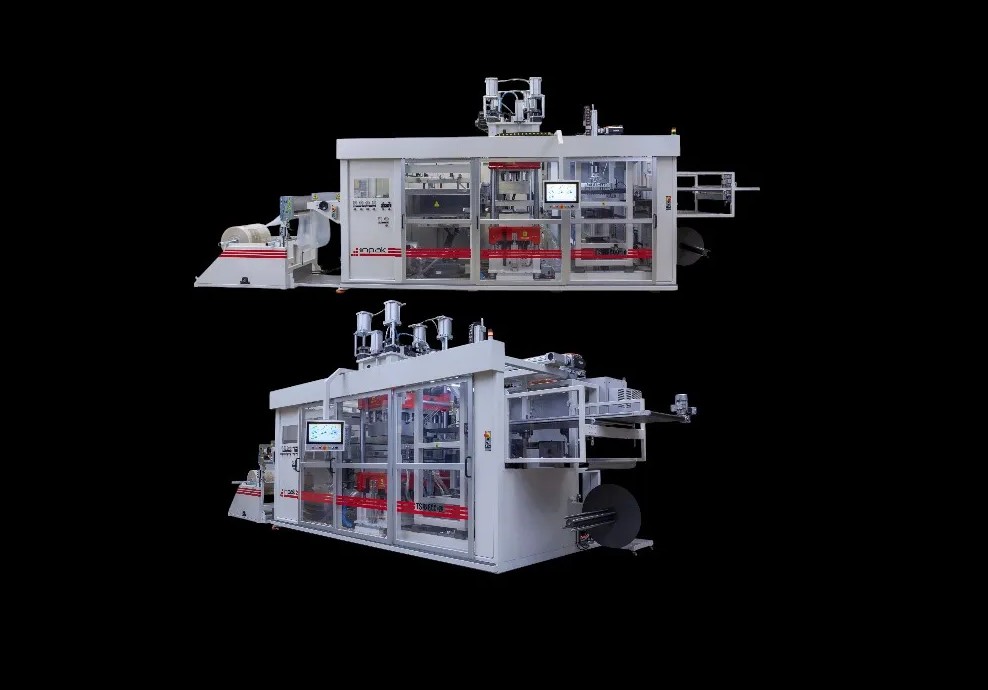
Recent developments have significantly improved thermoforming processes. For instance, Cannon introduced its e-Forming series, featuring AI-powered configuration technology that optimizes energy usage and enhances efficiency. This innovation offers a compact design, reducing the machine’s footprint while maintaining high performance.
AI Integration in Thermoforming
The integration of artificial intelligence in thermoforming machines allows for automatic parameter setting, reducing setup times and improving process stability. This advancement leads to higher-quality products and more efficient production cycles, meeting the evolving demands of manufacturers.
Compact and Energy-Efficient Designs
Modern thermoforming machines are designed with compact footprints and intelligent power management systems. These features not only save valuable floor space but also contribute to sustainability by lowering energy consumption during the manufacturing process.
Neodesha Plastics Inc.: A Leader in Thermoforming Services
Companies like Neodesha Plastics Inc. are at the forefront of providing innovative thermoforming services. With a focus on custom solutions, they cater to various industries, offering expertise in creating durable and precise plastic components. Their commitment to quality and customer satisfaction makes them a trusted partner in the manufacturing sector.
Applications Across Industries
Thermoforming is utilized in diverse sectors, including automotive, medical, and consumer goods. Its ability to produce lightweight and durable parts makes it ideal for applications ranging from vehicle components to medical device packaging.
Material Innovations in Thermoforming
Another critical area of progression in custom thermoforming is the ongoing research into new materials. Manufacturers are increasingly adopting bioplastics, recycled materials, and advanced polymers to further reduce environmental impacts and limit resource consumption. Bioplastics, derived from renewable sources such as starch, cellulose, or polylactic acid (PLA), offer biodegradability and compostability. Recycled materials, particularly post-consumer recycled PET and HDPE, help close the loop in the plastics industry by giving materials a second life in high-quality thermoformed products. Advanced polymers are being engineered to offer improved performance characteristics, such as higher heat resistance, greater durability, or enhanced clarity, expanding the potential range of thermoformed components for high-spec applications.
These new material options are complemented by advances in process control and quality assurance, as AI-assisted monitoring systems allow real-time analysis of each production cycle. Sensors embedded along the line can detect imperfections, measure material thickness, and ensure consistent quality, even with more variable or alternative material sources. This precise control is especially important when introducing sustainable or recycled materials, which may have different forming windows compared to traditional plastics.
Enhancing Customization Capabilities
The demand for customized thermoformed products continues to grow rapidly as sectors such as healthcare, food packaging, and electronics require tailored solutions. Innovations such as multi-cavity tooling and rapid prototyping using 3D printed molds have helped manufacturers like Neodesha Plastics Inc. to efficiently develop small runs and highly specific components without high costs or lead times. These advances allow customers to test prototypes, adjust designs, and accelerate product launches.
Furthermore, digital twin technology is now being deployed in thermoforming environments to simulate every step of the manufacturing process virtually before physical production begins. By using exact digital replicas of both machines and molds, manufacturers can optimize designs, streamline tooling, and forecast production outcomes. This minimizes costly trial-and-error cycles and reduces material waste.
Safety, Compliance, and Quality Control
In regulated industries such as medical device manufacturing and food packaging, compliance with standards like ISO 13485 and FDA regulations is essential. Thermoforming equipment suppliers now offer integrated tracking, documentation, and process validation tools to simplify regulatory adherence. Automated inspection systems with computer vision are capable of detecting microdefects and verifying product integrity, further enhancing confidence in final products intended for sensitive applications.
Neodesha Plastics Inc. exemplifies best practices in quality control, utilizing robust in-line inspection routines, rigorous testing protocols, and continuous staff training. Their approach ensures that each product not only meets client specifications but also passes the stringent standards required for modern, safety-critical industries.
Driving Sustainability and Circular Economy
Sustainability initiatives in thermoforming go beyond energy reduction and material selection. Leading manufacturers are developing programs to accept post-industrial and post-consumer thermoformed scrap for reprocessing, further closing the material loop. Industry collaborations are emerging to increase the recyclability of multi-layered and blended plastics often found in advanced packaging and protective components.
Additionally, lifecycle assessments (LCAs) are frequently conducted to evaluate the environmental footprint of manufactured products from raw material acquisition through to end-of-life disposal or recycling. These assessments help companies understand and minimize the overall impact of their products, and further inform the decision-making process for material selection, process design, and waste handling best practices.
Future Trends in Thermoforming
The future of thermoforming lies in further automation and the adoption of sustainable materials. As technology advances, manufacturers can expect even more efficient processes and environmentally friendly solutions, aligning with global sustainability goals.
Conclusion
Innovations in custom thermoforming are transforming the manufacturing landscape. With advancements like AI integration and energy-efficient designs, companies can achieve higher productivity and sustainability. Partnering with experienced providers such as Neodesha Plastics Inc. ensures access to cutting-edge thermoforming services tailored to specific industry needs.