Technology is fundamentally altering the landscape of proprietary trading. With cutting-edge algorithms and advanced systems, traders can now execute transactions with unmatched speed and precision. Data analytics tools provide profound insights, empowering traders to identify patterns and anticipate market shifts. Furthermore, artificial intelligence improves decision-making by scrutinizing vast datasets for potential gains. Furthermore, risk management systems equipped with state-of-the-art technology assist in monitoring exposure in real-time. Overall, technology bestows prop trading companies with an unmistakable competitive advantage.
Effective Trading and Quick Execution
Speed holds paramount significance in proprietary trading, and technology serves to bolster it considerably. This provides a unique benefit to prop firms, as faster speed enables them to execute multiple trades quickly. By means of high-frequency trading (HFT) strategies, traders may execute a variety of orders in milliseconds. Via the use of advanced algorithmic programming, these orders are directed towards the most optimal market automatically.
Direct market access grants traders the liberty to execute orders instantaneously without intermediary delays. By utilizing low-latency networks, one can achieve an expedient order execution bolstered by reduced latency. Increases in market liquidity take place as a result of accelerated trading systems empowering traders to seize prospects promptly.
Advanced-Data Analytics
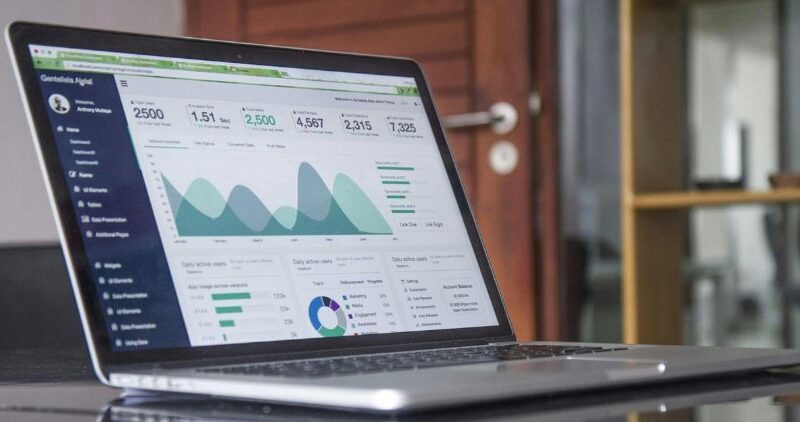
Data analytics holds great value in proprietary trading as it helps traders to make better choices. Technology lets traders examine large amounts of data using advanced algorithms. This examination uncovers market patterns and historical price shifts. With real-time data, traders get instant updates about changes in the market.
The prospective gains are then found through the analysis of unstructured data like news articles or tweets. Trader decisions are recommended automatically using predictive analytics. By developing more profitable trade methods that swiftly change to fit changing market conditions, data analytics allows proprietary trading companies to have an advantage.
Machine Learning and Artificial Intelligence
Together with machine learning (ML), artificial intelligence (AI) has great power to transform proprietary trading. These technologies improve decision-making by scrutinizing massive quantities of data for possible trading opportunities. Algorithms driven by ML advance over time, becoming more accurate in forecasting market trends. AI accompanies risk assessment through real-time analysis of potential losses before they happen. Algorithms backed by AI propose automated trades, relieving traders from repetitive tasks. AI and ML jointly empower prop trading firms to establish a competitive edge in a dynamic market. They allow quicker, more informed decisions while simultaneously optimizing the procedure at large.
Collaborative Cloud-Based Solutions
Technology fosters greater interaction and teamwork among traders, even when they are miles apart. Cloud-based solutions offer a common ground for accessing trading systems and data from any location. Real-time collaboration is enabled by the sharing of analyses and strategies on the cloud instantaneously. Traders can jointly work on plans while having access to shared resources; this improves production. Most importantly, secure data storage on the cloud guarantees that confidential information stays protected.
Flexible cloud computing lets companies easily scale up their operations. Improved coordination coupled with increased output makes cloud-based technologies ideal for proprietary trading enterprises.
Improved Risk Management
For proprietary trading companies to prosper, effective risk management is essential. Real-time monitoring of market exposure is made possible through technological advances like sophisticated risk management systems. These systems track your orders and guide losses while alerting you to any impending danger situations. Stress tests assess how your portfolio would fare in speculative market conditions.
Risk parameters are automatically adjusted by algorithmic trading systems using data analytics. Proprietary trading firms lower their chance of suffering large losses by putting robust risk management first. At the same time, they make certain that their trading practices remain secure and controlled in a continually shifting market.
Conclusion
Technology is changing prop trading companies, giving them an edge over competition. Improvements in speed, data analysis, and risk management make it possible for companies to execute deals more quickly and intelligently. Artificial intelligence, together with machine learning, optimizes procedures, while alternative cloud-based solutions improve teamwork. As advances in technology continue to unfold, they will reshape the future of prop trading, allowing companies to respond quicker to changes in the market and improve their overall performance and effectiveness.